Load shedding in Pakistan costs factories millions in lost production, scrap, restart costs and night-shift closures every year. A hybrid energy system eliminates the dependency on the grid entirely during outage windows. No generator fuel. No startup lag. No production loss.
Industrial areas in Karachi, Lahore and Faisalabad face 4 to 12 hours of daily outages depending on feeder classification and recovery rates.
Closure of a night shift alone can eliminate over 30% of total production capacity — a direct hit to output, payroll utilisation and export commitments.
Diesel generation typically costs Rs 35 to 55 per kWh at current fuel prices — two to three times the grid rate, with the reliability of neither.
A BESS switches in under 20 milliseconds — faster than any generator. Sensitive equipment, production lines and cold chain are protected from every outage.
Most Karachi and Lahore factories run diesel or gas generators as their load shedding response. They have done so for 20 years. The economics have never been good and they are getting worse.
Generators take 30 to 90 seconds to start. During that window, production lines stop, machines trip, cold chain warms and sensitive equipment experiences voltage sags. The restart sequence after every outage costs time, scrap and wear on machinery that adds up to hundreds of thousands of rupees annually.
Diesel fuel at current prices makes generator operation cost Rs 35 to 55 per kWh — two to three times the grid rate. Gas generators are cheaper per kWh but require SSGC/SNGPL supply that is itself unreliable and increasingly being curtailed for industry.
A BESS switches in under 20 milliseconds. No startup. No transition. No fuel. The grid going down is an event your production floor never notices.
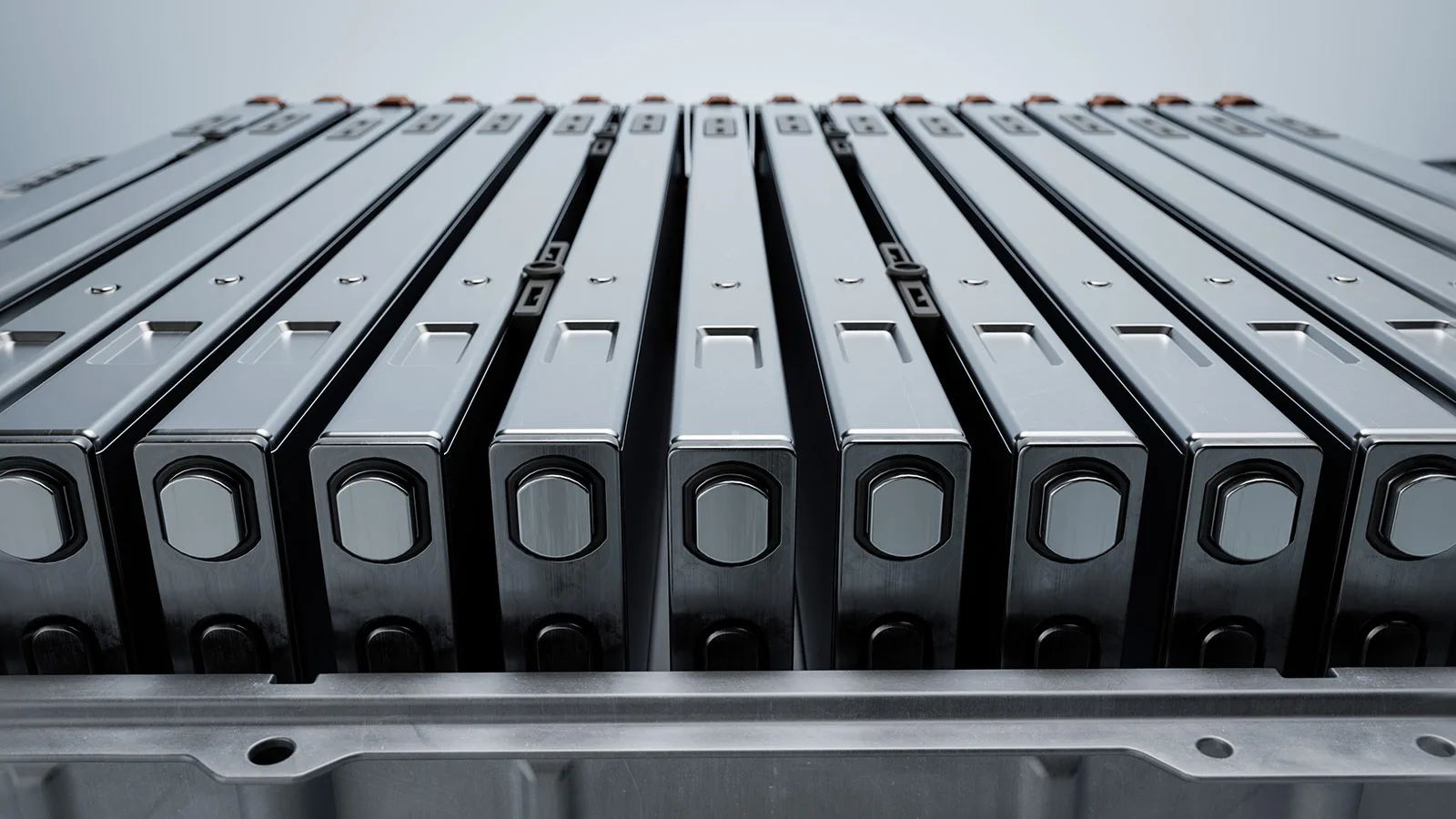
The goal is not backup power. The goal is continuity — a system that keeps your operation running regardless of what the grid is doing, at a cost below what you currently pay.
Generates during daylight. Directly powers your facility loads, reducing grid consumption. Surplus stored in BESS for evening and overnight use. Karachi receives among the highest solar irradiance in South Asia — typically 5.5 to 6.0 peak sun hours per day.
Stores solar surplus and charges from off-peak grid power at night. Discharges instantly when the grid fails. Sized for your critical load duration — whether that is 4 hours of partial load or 8 hours of full production continuity.
The EMS coordinates all three power sources — solar, BESS and grid — in real time. It maximises solar self-consumption, manages peak demand to reduce MDI charges and handles automatic failover during outages without operator input.
Load shedding costs are highest where continuity matters most and restart costs are significant. These sectors see the fastest payback on hybrid energy investment.
Pakistan’s largest industrial sector. Night-shift production losses, export deadline exposure and high MDI charges from spinning and weaving equipment. Hybrid systems pay back fastest here.
A single outage during processing can mean entire batch losses. Cold chain facilities cannot afford even a 5-minute temperature breach. BESS provides seamless continuity with zero transition time.
Theatres, ICUs and diagnostic equipment cannot rely on generator start times. BESS provides instantaneous transfer with full load continuity for the duration required.
Batch processes that cannot be interrupted mid-cycle. Temperature-sensitive synthesis and sterile environments. Power quality requirements that generators cannot meet.
Heavy equipment startup currents drive massive MDI spikes. Induction furnaces and rolling mills that restart after every outage cause equipment wear, downtime and significant scrap losses.
Refrigerated warehouse continuity, automated handling systems and office operations in container terminals. High sanctioned loads with consistent demand profiles that suit BESS well.
Small commercial and light industrial backup. 614.4V DC, IP20. Entry-level C&I configuration.
Specifications →
50 kW, 512V, HVAC cooling, fire suppression, 4-MPPT. Factory acceptance tested before shipment.
Specifications →
Large factories, multi-shift operations. Containerised, IP55, integrated fire suppression.
Specifications →
Share your utility bills and site plan and we will quantify your load shedding cost, design the backup system and show you the financial case. Serving factories across Karachi, Lahore, Faisalabad, Sialkot and Islamabad.