Your electricity bill has two parts. Most factories only manage one. The MDI (Maximum Demand Indicator) charge — based on your single highest 30-minute demand in the month — can account for 30 to 50% of your total bill. Battery energy storage eliminates it.
MDI fixed charges typically account for 30 to 50% of an industrial electricity bill in Pakistan — often more than the energy consumption charge itself.
NEPRA tariff bills you on your single highest 30-minute demand reading of the month. One bad day sets your charges for 30 days.
Industrial tariff (B3) is running Rs 31–37/kWh in 2025 under the NEPRA uniform tariff, with additional QTA and FCA adjustments on top.
A correctly sized BESS for peak shaving typically achieves payback in 3 to 5 years in Pakistan’s current tariff environment, with 15+ years of savings beyond that.
MDI stands for Maximum Demand Indicator. Under Pakistan’s industrial tariff structure (NEPRA B2, B3, B4 categories), your electricity bill has two separate components: an energy charge per kWh consumed and a demand charge based on your peak kW demand measured over a 30-minute interval.
The demand charge is calculated on your highest single 30-minute reading of the entire billing month. If your factory runs a heavy startup cycle at 7am on one morning in the month, that spike sets your MDI for the full 30 days — even if every other hour was well within your normal operating range.
FESCO, LESCO, MEPCO, IESCO and K-Electric all apply this structure. Fixed charges are billed at a rate per kW per month based on 25% of sanctioned load or actual MDI — whichever is higher. For large B3 industrial consumers, the minimum monthly fixed charge alone is Rs 50,000, before any energy units are consumed.

Peak shaving with a battery energy storage system is straightforward in principle. The engineering is in the sizing and the EMS configuration.
Your EMS is configured with a maximum kW threshold — say, 400 kW on a 500 kW sanctioned load. This becomes the ceiling your meter is never allowed to exceed.
When your facility load approaches 400 kW, the BESS automatically discharges to supply the difference. The grid meter never sees more than the threshold. The 30-minute peak reading stays flat.
The BESS recharges from the grid during overnight off-peak hours when energy tariff rates are lowest. The cycle repeats every day, automatically, without operator intervention.
Your MDI charge is now based on your controlled threshold, not your real peak. On a 500 kW sanctioned load, this can eliminate 20 to 35% of your monthly bill immediately.
The same BESS provides backup power during K-Electric or WAPDA outages. Production continues. Startup costs, scrap losses and worker downtime are eliminated simultaneously.
Pair BESS with rooftop solar to reduce your daytime energy consumption charge as well. The BESS stores excess solar generation for discharge during evening peak hours.
A medium industrial facility in Karachi on K-Electric B3 tariff with 500 kW sanctioned load and a real peak demand of 480 kW:
MDI = 480 kW
Fixed charge rate ≈ Rs 1,800/kW/month
Monthly MDI charge ≈ Rs 864,000
Annual MDI cost ≈ Rs 10.4 million
MDI = 320 kW (threshold set)
Fixed charge rate ≈ Rs 1,800/kW/month
Monthly MDI charge ≈ Rs 576,000
Annual MDI cost ≈ Rs 6.9 million
MDI saving alone
Additional saving from solar integration possible
ZBox100-HS payback ≈ 4 years
15+ years of savings beyond payback
* Illustrative example based on indicative B3 tariff rates. Actual savings depend on your load profile, tariff category and sanctioned load. We model your actual data before recommending any system.
Every peak shaving system is sized from your actual 15-minute interval demand data. The product recommendation follows the analysis.
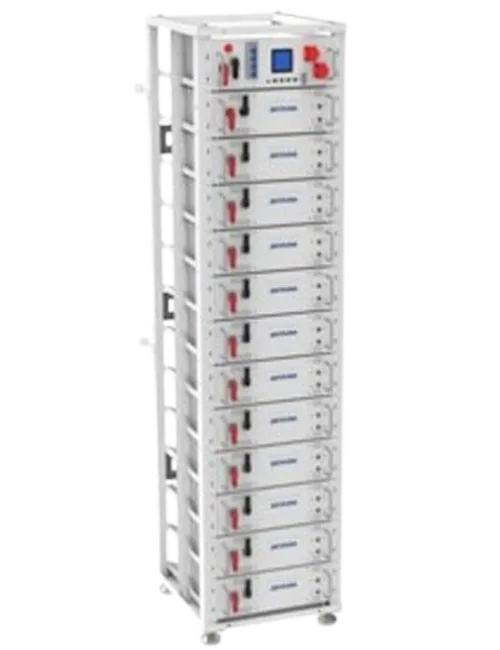
For smaller commercial and light industrial sites. Entry-level peak shaving and backup. 614.4V DC, IP20, modular rack.
View ZBox60 →
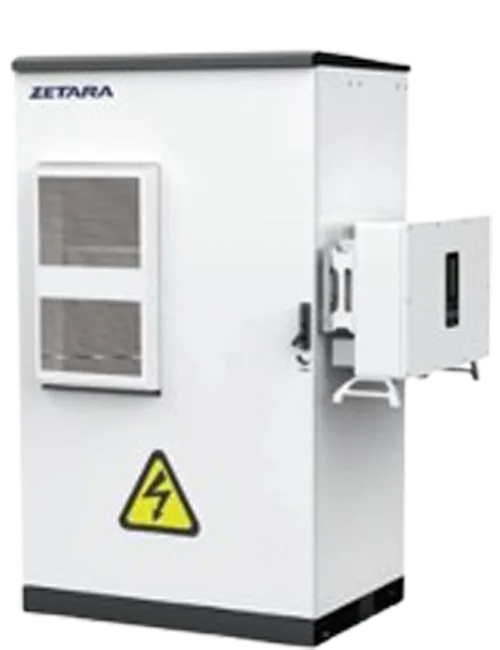
50 kW rated. 4-MPPT hybrid inverter. HVAC cooling. Factory acceptance tested. The most common choice for Karachi and Lahore industrial sites.
View ZBox100-HS →
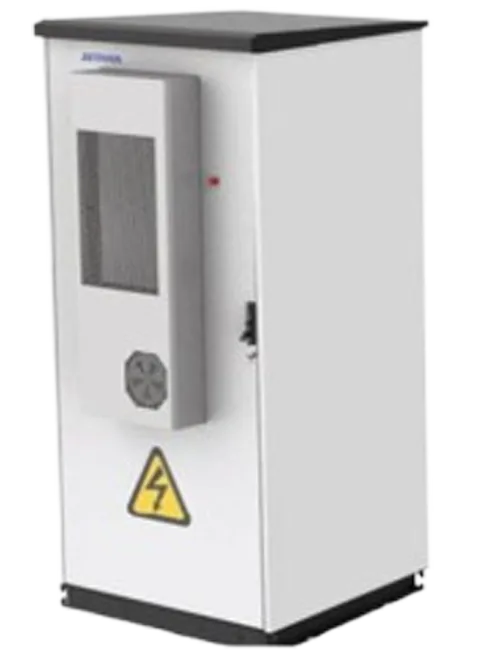
For large factories, multi-shift operations and high-demand industrial sites. Containerised, IP55, integrated fire suppression.
View ZBox200 →We do not recommend a product size based on your sanctioned load. We model your actual demand data before any system is specified.
Send us your last 12 months of utility bills and we will model your MDI saving, size the right BESS and show you the financial case — before any commitment is made.